

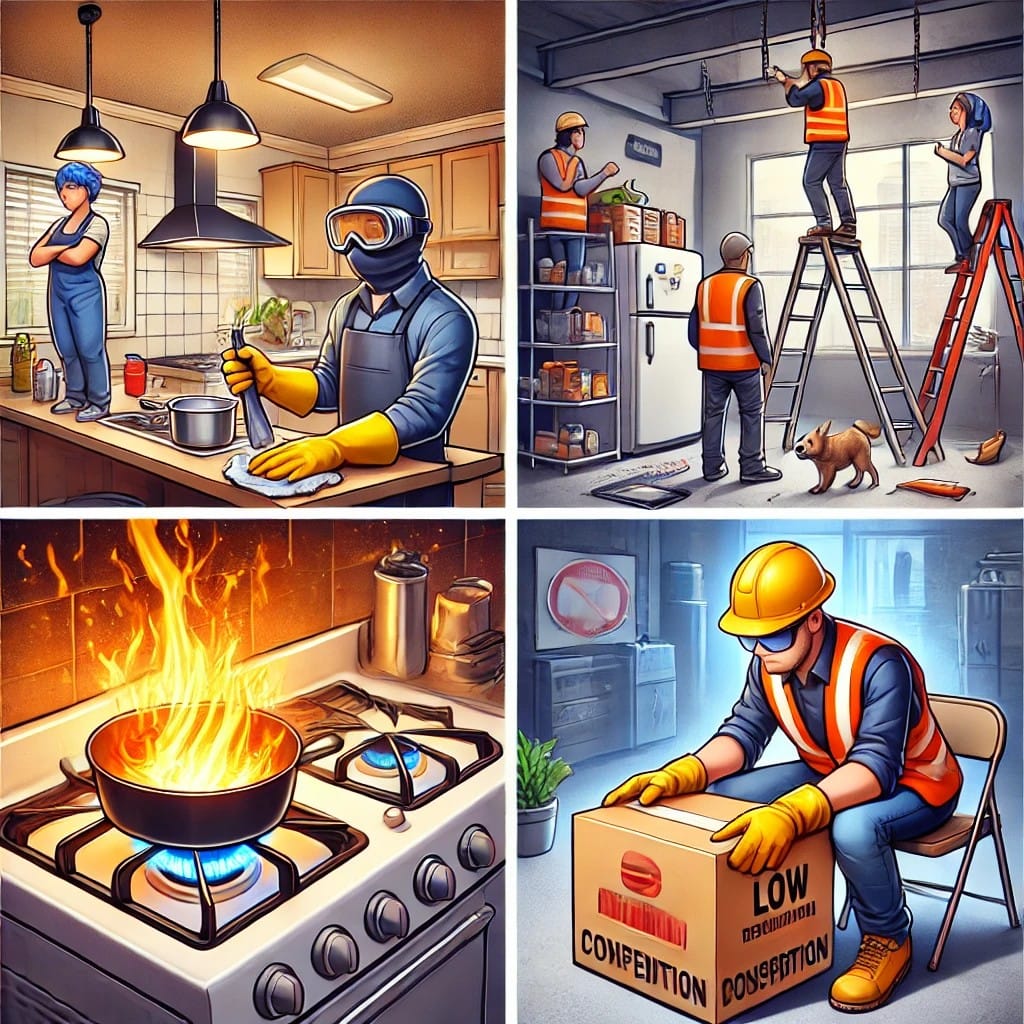
In every facet of life, safety should be a paramount concern, yet many individuals fail to adequately account for it in their everyday routines. From household chores to professional environments, this disregard for safety stems from what I call “low precaution instincts.” These individuals are often oblivious to potential risks and tend to take actions without fully considering the dangers involved. Unfortunately, low precaution instincts can lead to accidents, injuries, and even fatalities, whether at home or in the workplace. This article delves into the dangers of having low precaution instincts, ways to measure them, and practical steps to improve them.
What are Precaution Instincts?
Precaution instincts refer to an individual’s inherent ability to assess risks, foresee potential dangers, and take appropriate safety measures to prevent accidents or mishaps. These instincts are closely linked to situational awareness and can vary significantly from person to person. A person with high precaution instincts is often alert, cautious, and mindful of their surroundings. They follow safety protocols and take steps to ensure they are not putting themselves or others in harm’s way. Conversely, individuals with low precaution instincts tend to overlook or underestimate risks, making them more prone to accidents and errors.
The Dangers of Low Precaution Instincts
- Increased Likelihood of Accidents
People with low precaution instincts are often involved in preventable accidents. In domestic settings, they might forget to turn off electrical appliances, neglect proper lifting techniques, or misuse dangerous household chemicals. In workplaces, this could translate into disregarding safety gear or ignoring safety protocols, especially in environments like construction sites or factories, where hazards are high. These actions can result in severe injuries or worse. - Health Risks
Those with low precaution instincts often overlook long-term health risks. For instance, not wearing protective gear like masks or gloves while dealing with toxic substances can lead to serious health conditions over time. In the office, sitting in poor posture for extended hours without considering ergonomics may result in chronic back pain, carpal tunnel syndrome, or other musculoskeletal disorders. - Increased Costs
Accidents often come with financial consequences. Whether it’s medical bills from injuries sustained at home or the cost of repairs after damaging equipment at work, those who don’t prioritize safety may find themselves constantly paying for their carelessness. In businesses, repeated accidents can also result in higher insurance premiums, legal liabilities, or even loss of reputation. - Legal Consequences
In the workplace, there are often stringent safety regulations that must be followed. A low precaution instinct can lead to violations of these safety rules, resulting in fines or other legal consequences for the employer and sometimes the employee. In extreme cases, neglecting safety measures can lead to lawsuits, especially if negligence results in harm to others. - Impact on Others
Low precaution instincts don’t just endanger the individual; they can also put others at risk. In a shared workspace, one person’s carelessness could lead to injuries for co-workers. For instance, failing to place warning signs around a slippery floor or forgetting to properly store heavy equipment can lead to accidents involving others.
Measuring Precaution Instincts
Though there is no universal metric to quantify precaution instincts, there are several ways to measure or gauge an individual’s attention to safety. Some methods include:
- Risk Awareness Tests
These tests are often used in industries like construction or healthcare to assess how well individuals can recognize hazards. The higher the score, the better the person’s precaution instincts are. Such tests usually involve identifying risks in hypothetical scenarios or answering questions about proper safety protocols. - Observation and Incident Records
In workplaces, the frequency and nature of incidents involving an individual can indicate low precaution instincts. Individuals who regularly require reminders to follow safety procedures or are involved in preventable accidents may score low in this regard. - Situational Awareness Drills
Exercises that mimic emergency scenarios, such as fire drills or evacuation practices, can reveal how individuals respond under pressure and their ability to identify and mitigate risks on the spot. Those who perform poorly in these drills are likely to have lower precaution instincts. - Self-Assessment and Surveys
Asking individuals to rate their own safety awareness can provide some insight, though it should be noted that people often overestimate their abilities. A structured questionnaire focusing on how often they follow safety protocols, whether they actively look for hazards, or how often they experience close calls could serve as a useful tool. - Safety Training Performance
Individuals who engage enthusiastically and perform well in safety training tend to have higher precaution instincts. Conversely, those who are disinterested or fail to retain safety knowledge may struggle with instinctively following safety measures.
How to Improve Low Precaution Instincts
- Regular Safety Training
One of the most effective ways to improve precaution instincts is through consistent, comprehensive safety training. Training should be relevant to the individual’s environment, covering everything from proper handling of tools and equipment to emergency preparedness. Training sessions help individuals internalize safety protocols and make cautious behavior second nature. - Encourage Mindfulness
Developing mindfulness, the practice of being present and fully aware of one’s surroundings, can significantly enhance precaution instincts. Mindfulness encourages individuals to focus on their environment, making them more likely to notice potential dangers and avoid accidents. - Habitual Safety Checks
Implementing routine safety checks at home or in the workplace can help train individuals to be more aware of risks. For example, ensuring all electrical devices are turned off when not in use, checking fire extinguishers periodically, or inspecting tools before use can instill a habit of caution. - Reward Safe Behavior
Creating an incentive system that rewards individuals for practicing good safety habits can improve precaution instincts. Recognizing and rewarding employees for adhering to safety protocols or for going the extra mile in maintaining a safe environment reinforces the importance of precaution. - Situational Awareness Drills
Conducting regular drills that focus on situational awareness and emergency responses can sharpen an individual’s ability to assess risks in real time. These drills should mimic real-life scenarios, such as fires, earthquakes, or workplace hazards, and should be followed by feedback on how to improve responses. - Use of Technology
In some environments, particularly workplaces, technology can be a useful tool for enhancing safety instincts. Automated safety systems, such as alarms, motion sensors, or apps that provide safety reminders, can help compensate for low precaution instincts by providing real-time feedback and warnings. - Cultural Shift Towards Safety
For organizations, fostering a culture that prioritizes safety at every level can be transformative. By embedding safety protocols into the core values of a company and ensuring that everyone from top management to entry-level staff follows them, you create an environment where precaution instincts can thrive.
Conclusion
Low precaution instincts pose a significant danger both to individuals and those around them. From increased accidents and injuries to legal and financial consequences, the risks associated with neglecting safety are real and costly. However, precaution instincts are not fixed. With the right measures in place, such as consistent training, mindfulness practices, and the use of technology, it is possible to improve one’s ability to assess and mitigate risks. By making safety a priority in our daily lives, both at home and in the workplace, we can significantly reduce the occurrence of accidents and improve overall well-being.