

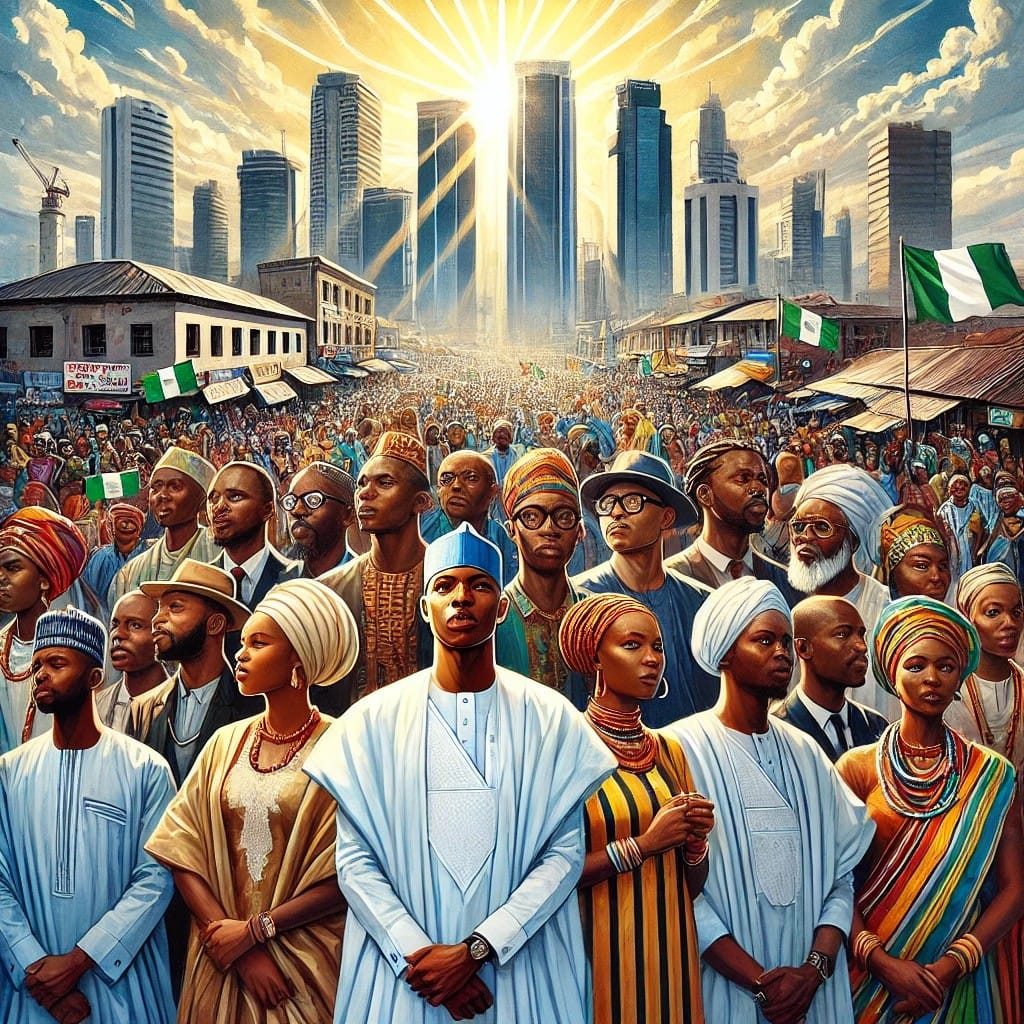
Nigeria is home to over 200 million people, spread across more than 250 ethnic groups and diverse cultures. Despite its vast resources, particularly oil wealth, Nigeria has faced numerous challenges, including political instability, corruption, economic downturns, and security concerns. Yet, through it all, Nigerians have displayed a remarkable resilience and an enduring spirit that defies the harsh realities of daily life. This resilience is a powerful testament to their ability to navigate and survive adversity, even when faced with leadership shortcomings and systemic challenges.
Historical Context: A Nation Born in Struggle
Nigeria’s modern history is deeply rooted in its colonial past and the struggles of independence. Gaining independence from British rule in 1960, Nigerians hoped for a future filled with opportunities, prosperity, and self-determination. However, the post-colonial era quickly became a turbulent time, marked by military coups, civil war (the Biafran War), and ethnic tensions. Despite these challenges, Nigerians have continued to strive for unity and progress. The 1999 transition from military rule to democracy was a significant milestone, symbolizing the country’s collective yearning for better governance and stability.
The Nigerian Spirit: Resilience in the Face of Hardship
Nigerians have faced multiple waves of economic crises, such as hyperinflation, fuel shortages, and unemployment. Yet, in the face of these challenges, they have developed a resilience that manifests in various ways:
1. *Entrepreneurial Spirit*: Nigerians are known for their enterprising nature. When formal employment opportunities are scarce, they create their own through small and medium-sized enterprises (SMEs), which is common amongst every tribe especially the Igbos. The informal economy in Nigeria is robust, driven by necessity and innovation. From market traders to tech startups, Nigerians find ways to sustain themselves, even when government support is minimal.
2. *Community Solidarity*: In times of hardship, Nigerians often turn to their communities for support. Extended families, friends, and religious groups play crucial roles in providing a safety net. This sense of communal solidarity fosters resilience, as people rely on each other when institutional structures fail them.
3. *Cultural Expressions of Endurance*: Music, literature, and art in Nigeria frequently reflect the resilience of the people. From Fela Kuti’s Afrobeat that criticized government corruption to Chimamanda Ngozi Adichie’s novels that explore identity and survival, Nigerian culture celebrates the ability to endure and rise above challenges. Nollywood, Nigeria’s thriving film industry, often portrays stories of overcoming adversity, resonating with the everyday experiences of Nigerians.
The Quest for Good Leadership: A Critical Need
Despite the resilience of the Nigerian people, there is a growing frustration with leadership failures. Corruption, inefficiency, and lack of accountability have plagued successive governments, impeding the country’s progress. Nigerians have demonstrated extraordinary patience, often tolerating poor governance in the hope that change will eventually come. However, this tolerance should not be mistaken for complacency.
Nigerians desire and deserve better leadership. The widespread protests against police brutality in the #EndSARS movement of 2020 showed that Nigerians are not willing to accept mistreatment indefinitely. The youth, in particular, have become more vocal in demanding transparency, accountability, and good governance. This is a clear indication that while Nigerians are resilient, their endurance is not limitless. They are ready to support leaders who can steer the country towards a better future, free from corruption and inefficiency.
The Path Forward: Harnessing Resilience for National Development
To truly capitalize on the resilience of its people, Nigeria needs to address its leadership challenges. Effective leadership can harness the innovative and enduring spirit of Nigerians to drive national development. Key areas that require focus include:
1. Economic Reforms: Nigeria’s economic policies must prioritize job creation, particularly for the youth, and support SMEs. Diversifying the economy away from oil dependency will also be critical in ensuring sustainable growth.
2. Education and Healthcare: Investments in education and healthcare are vital for empowering Nigerians to achieve their full potential. A healthy and well-educated population is the foundation of any thriving nation.
3. Security: Addressing the security challenges posed by insurgencies, banditry, and communal conflicts is essential. Nigerians need to feel safe in their own country to be able to contribute meaningfully to its development.
4. Anti-Corruption Measures: Strengthening institutions to fight corruption will restore public trust in government and create a more conducive environment for development. Nigerians are ready to support leaders who demonstrate integrity and commitment to the public good.
Conclusion: The Resilience of Hope
Nigerians are, indeed, among the most resilient and enduring people in the world. They have faced adversity with grace and courage, finding ways to thrive in spite of significant challenges. However, resilience alone cannot be the foundation of a prosperous nation. Good leadership, driven by vision and integrity, is needed to unlock Nigeria’s full potential and ensure that the sacrifices and endurance of its people are not in vain.
Nigerians are ready for this leadership—they have been for decades. It is now up to those in power to rise to the occasion and match the resilience of the people with the leadership they deserve. The future of Nigeria depends on this alignment, and the enduring hope of its people remains a powerful force for change.
Chris Mogbogu is a passionate advocate for social equity and economic reform in Nigeria. He believes in creating opportunities for all Nigerians to thrive and contribute to the nation’s growth.